
The History of Poker

Poker is a family of card games that evolved from earlier European-style betting games into many modern rule sets, from draw and stud to community-card formats. As people traveled, the game moved from private play to riverboats, saloons, and social clubs, where wagering culture helped it spread and standardize. Casinos later professionalized poker with dedicated rooms and larger stakes. Today, online platforms on phones, desktops, and dedicated apps and live-streamed tables have made poker global, offering round-the-clock games and tournaments.
The Origin of Poker
Early ancestors and influences
Poker’s origins are best explained as multiple influences, not a single invention. R. F. Foster argued that early U.S. poker—five cards each from a 20-card pack—was the Persian game As-Nas. Other candidates include French poque, played in the Gulf-region culture where poker later thrived, and the German pochen (“to brag” as a bluff), often cited for the name. Researchers also link poker to primero and French brelan; England’s brag, derived from brelan, helped spread bluffing. It’s plausible all of these streams shaped poker’s first forms.
Poker emerges in the United States
Poker’s recognizable takeoff is usually placed in North America by the late 1700s, spreading through the Mississippi corridor by about 1800. Joseph Cowell described a New Orleans game in 1829: four players, a 20-card deck, betting on the best hand. Jonathan H. Green described its rise on Mississippi riverboats, where gambling was a pastime, then its movement north and west with migration and gold-rush travel. Reduced packs also appeared in smaller-player variants, following English card-game practice. Rules diversified fast, mixing “straight” poker and early stud forms.
How betting and bluffing became the identity of poker
In frontier venues, wagering structure and deception became poker’s identity. The move to a full 52-card French deck enabled more combinations, and the flush was added soon after. Draw poker—allowing hand improvement—was established before 1850 as printed rule collections began to standardize play. During the American Civil War, more innovations took hold, including five-card stud and the straight as a standard hand. Through every ruleset shift, bluffing and pressure in betting rounds stayed central, winning pots without showdown regularly.
Timeline of the Evolution of Poker
Poker’s development is easiest to track as a sequence of rule innovations, new playing environments, and moments when the game reached a wider public. It also shows how poker moved from informal gambling culture into standardized, broadcast, and networked play.
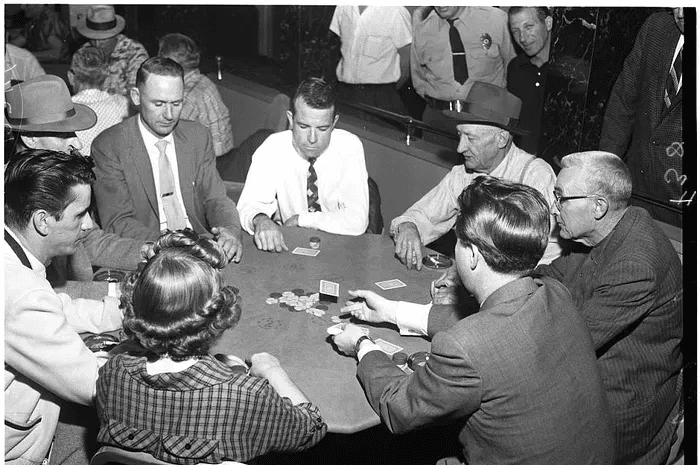
- Late 1700s–early 1800s: Poker takes recognizable shape in North America and spreads through the Mississippi River region; by 1829 it is reported in New Orleans as a 20-card, four-player betting game.
- 1830s–1850: The full 52-card deck becomes standard and new hands/structures appear, including the flush and draw poker (printed rules appear by 1850).
- 1860s: Civil War play accelerates rule growth; five-card stud and the straight become widely adopted.
- 1870s–1920s: More formats branch off, including wild cards (c. 1875), lowball and split-pot games (c. 1900), and early community-card forms (c. 1925).
- Mid-1900s: Casino poker rooms standardize cash-game dealing, betting limits, and table management, making poker a dependable, regulated casino offering.
- 1970s: Tournament poker becomes a modern casino product as the World Series of Poker begins in Las Vegas (1970), helping create recognizable champions and a recurring “season.”
- Late 1980s–1990s: Legal and geographic expansion increases live poker availability; televised formats begin to make poker watchable (e.g., Late Night Poker, 1999).
- 1998–2000s: Real-money online poker launches (Planet Poker deals the first real-money hand in 1998) and, paired with hole-card cameras, drives a major TV/online boom and huge tournament fields.
- 2010s–today: Mobile apps, live-streamed tables, and shared/global player pools keep poker accessible 24/7 across jurisdictions.
Modern Days of Poker
Modern poker is played across a few dominant environments: major live tours, casino cash games, and always-on online lobbies. Flagship festivals like the World Series of Poker (first held at Binion’s Horseshoe in 1970) anchor the live calendar, while global tours such as the World Poker Tour and the European Poker Tour package international stops into a season-long product. Recent WPT figures show the scale: the WPT World Championship debuted in 2022 with a $15 million guaranteed prize pool, and the 2023 WPT Prime Championship attracted 10,512 entries for a $10,196,640 prize pool. Away from tours, most day-to-day play is split between cash games (you can leave anytime) and scheduled tournaments (fixed start times, rising blinds). Online poker widened access further: Planet Poker dealt the first real-money hand online on January 1, 1998, and today platforms run ring games, sit-and-gos, and multi-table tournaments around the clock.
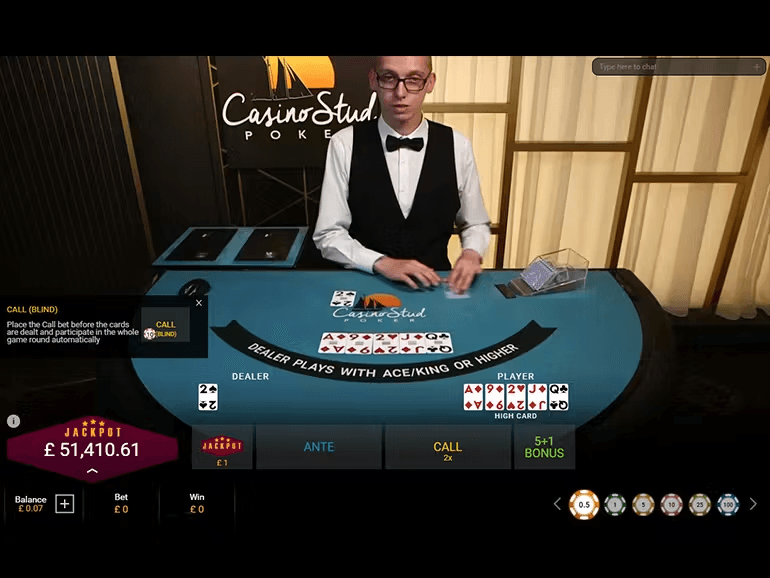
Mobile apps extend that convenience into shorter sessions and micro-stakes play, while livestreams and TV broadcasts—helped by hole-card cameras popularized on Late Night Poker in 1999—keep the game watchable. Players also differ by intent. Recreational players often choose softer stakes, quick formats, or social tables for comfort. Serious players chase tougher lineups and higher volume, backed by widespread learning resources: books, video coaching, tracked hand histories, and solver-based study tools. Across every choice, the idea remains the same: standard hand rankings and betting decisions, expressed through different dealing styles (draw, stud, community cards) and different settings (casino rooms, televised stages, or licensed online sites).


